The Toyota 4Runner’s manual transmission offers a uniquely engaging driving experience, blending rugged capability with driver control and a classic feel.
What is the Appeal of a 4Runner with a Manual Transmission?

For many enthusiasts, a 4Runner with a manual transmission represents a purist’s connection to the vehicle. It’s about feeling directly involved in the driving process, having complete command over gear selection, and experiencing a more visceral connection to the engine’s power. This control is particularly valued during off-road adventures, where precise gear changes are crucial for navigating challenging terrain.
Beyond the enhanced control, there’s a certain nostalgia associated with manual transmissions. They evoke a simpler time in automotive history and offer a driving experience that many find more rewarding than modern automatics. The engagement required by a manual gearbox can make driving more fun and less fatiguing, especially on winding roads. Furthermore, a manual 4Runner often commands a higher resale value due to its rarity and desirability among collectors and off-road aficionados.
Brief History of Manual 4Runners
The first-generation 4Runner (1984-1989) was readily available with a 5-speed manual transmission, establishing a tradition of driver engagement. This continued into the second generation (1990-1995), where the 5-speed remained a popular choice. However, as the 4Runner evolved, manual options became increasingly scarce.
The third generation (1996-2002) saw the manual transmission offered, but with limited availability, often tied to specific trim levels or packages. The fourth generation (2003-2009) briefly revived enthusiast interest with a 6-speed manual offered exclusively on the TRD Pro model, becoming a highly sought-after configuration. Sadly, Toyota discontinued the factory manual option entirely with the arrival of the fifth generation (2010-present), leaving a void for those who prefer a hands-on driving experience. Today, finding a manual 4Runner is a treasure hunt for dedicated fans.
Understanding the 4Runner Manual Transmission Systems
Throughout the 4Runner’s history, manual transmissions evolved, showcasing different gear counts and technologies tailored to each generation’s engine and 4WD systems.
First Generation (1984-1989) – 5-Speed Manual
The initial 4Runner generation (1984-1989) prominently featured a robust 5-speed manual transmission, typically paired with the 2.4-liter 2RZ-E inline-four engine. This setup provided a direct and engaging driving experience, favored by enthusiasts for its simplicity and reliability. The transmission itself was a conventional design, prioritizing durability over refinement.
Gear ratios were tailored for both on-road usability and off-road crawling, offering a balance between fuel efficiency and low-speed torque. First gear was suitably low for tackling challenging terrain, while fifth gear allowed for comfortable highway cruising. Drivers often appreciated the mechanical feel of the shifter and the direct connection to the drivetrain. Finding original, unmolested examples today can be challenging, as many were converted to automatic transmissions over time, increasing the value of surviving manual models.
Second Generation (1990-1995) – 5-Speed Manual
The second-generation 4Runner (1990-1995) continued to offer a 5-speed manual transmission, though its availability became slightly more selective depending on trim level and engine choice. It was commonly paired with both the 2.4L 2RZ-E and the more powerful 3.0L 3VZ-E V6 engines. The manual transmission in this generation saw minor refinements over its predecessor, aiming for smoother operation and reduced noise.
The shifter linkage received attention, improving precision and feel. Drivers noted a slightly lighter clutch pedal compared to the first generation. The 5-speed remained a popular choice for those prioritizing control and a more involved driving experience, especially when navigating off-road trails. Like the first generation, manual transmission models are becoming increasingly rare and sought after by collectors and enthusiasts, commanding a premium in the used market.
Third Generation (1996-2002) – 5-Speed Manual (Limited Availability)
The third-generation 4Runner (1996-2002) marked a significant shift, with the 5-speed manual transmission becoming exceptionally rare. Toyota drastically reduced its production, offering it only for a very limited time and primarily with the base 2;7L 3RZ-FE four-cylinder engine and the SR5 trim. The V6 engine was not offered with a manual transmission during this period.
This scarcity makes these manual 4Runners highly collectible. The transmission itself is mechanically similar to the previous generation, but finding one in good condition can be challenging. Enthusiasts prize these models for their simplicity and the pure driving experience they provide. Due to the low production numbers, parts availability can also be more difficult compared to other 4Runner generations.
Fourth Generation (2003-2009) – 6-Speed Manual (TRD Pro)
The fourth-generation 4Runner (2003-2009) saw a resurgence of the manual transmission, but with a twist. Toyota reintroduced it exclusively in the high-performance TRD Pro trim, starting in 2006; This version featured a robust 6-speed manual gearbox paired with the 4.0L 1GR-FE V6 engine, offering a more modern and refined driving experience than previous generations.
The TRD Pro manual 4Runner was designed for enthusiasts seeking enhanced control and engagement. It included other performance upgrades like Bilstein shocks and a locking rear differential. Production numbers remained relatively low, making these models sought-after by collectors and off-road enthusiasts. The 6-speed transmission provides closer gear ratios and improved shift feel compared to the older 5-speeds.
Fifth Generation (2010-Present) – No Factory Manual Option
Unfortunately for purists, the fifth generation Toyota 4Runner (2010-present) has been exclusively offered with an automatic transmission. Toyota discontinued the manual option entirely, citing declining market demand and a focus on broader appeal. This decision disappointed many enthusiasts who cherished the control and engagement of a stick shift.
Despite the lack of a factory manual, the fifth-generation 4Runner remains a highly capable and popular SUV. Aftermarket companies have explored offering manual transmission conversion kits, but these are complex and expensive undertakings. The current generation prioritizes comfort, convenience, and off-road technology, features often favored by the majority of buyers. However, the absence of a manual option remains a point of contention for some 4Runner fans.
Mechanical Components & Operation
The 4Runner’s manual transmission relies on a carefully orchestrated system of gears, clutches, and linkages to deliver power and driver control effectively.
Clutch System: Types and Maintenance
The 4Runner’s manual transmission clutch is a critical component, responsible for smoothly engaging and disengaging engine power. Typically, 4Runners utilize a hydraulic clutch system, employing a master cylinder, slave cylinder, and fluid lines. This system translates pedal pressure into fork movement, actuating the pressure plate. Regular inspection of the clutch fluid is vital; contamination or air bubbles diminish performance.
Maintenance includes checking for leaks around the cylinders and lines, and periodically flushing the fluid. Clutch disc wear is inevitable, manifesting as slippage, especially under load. Symptoms include higher engine RPMs without corresponding speed increases. Replacing the clutch typically involves removing the transmission, so it’s often paired with other drivetrain maintenance. Proper break-in procedures after a clutch replacement are essential to maximize lifespan and prevent glazing.
Gearbox Internals: How the Gears Work
Within the 4Runner’s manual transmission, a complex arrangement of gears facilitates varying speed and torque ratios. Input shaft rotation from the engine drives a series of gears, selected by the shift mechanism. Each gear pair offers a different ratio, impacting wheel speed and engine load. Synchronizers are crucial; they match the speeds of the gears before engagement, preventing grinding.
The gearbox housing contains these gears, bathed in transmission fluid for lubrication and cooling. Countershafts and idler gears play key roles in transferring power. Proper gear alignment and bearing health are essential for smooth, quiet operation. Worn synchronizers cause difficulty shifting, particularly into specific gears. Understanding this internal operation aids in diagnosing transmission issues and appreciating the mechanical ingenuity.
Transfer Case Integration: 4WD Operation
The 4Runner’s manual transmission seamlessly integrates with the transfer case, enabling four-wheel drive functionality. The transfer case receives power from the transmission and splits it between the front and rear axles. A shift lever or electronic controls engage different 4WD modes – 2WD, 4Hi, and 4Lo. 4Hi provides increased traction for slippery conditions like snow or gravel, while 4Lo delivers maximum torque for challenging off-road obstacles.
Proper operation requires understanding the system’s limitations; avoid using 4WD on dry pavement to prevent drivetrain binding. The transfer case utilizes chain or gear sets to distribute power. Regular inspection of the transfer case fluid is crucial for longevity. A properly functioning transfer case, coupled with the manual transmission, unlocks the 4Runner’s full off-road potential.
Shifter Mechanism: Linkages and Feel
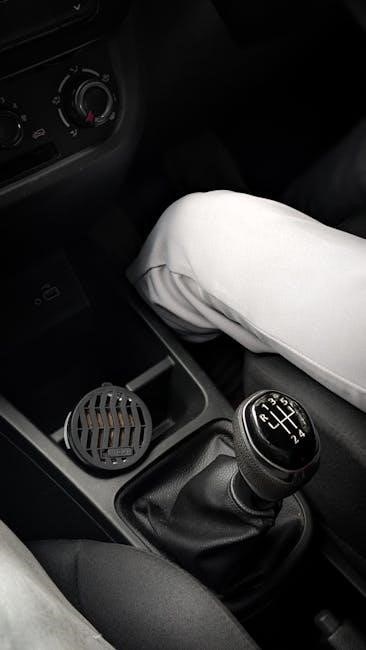
The 4Runner’s manual transmission shifter mechanism connects the driver’s input to the internal gear selection. Early models utilized direct linkages, providing a precise and mechanical feel. Later generations often incorporated cable-operated systems, potentially introducing slight play. The shifter’s feel varies between generations; some offer short, crisp throws, while others have a longer, more deliberate action.
Maintaining proper shifter alignment and lubrication is vital for smooth operation. Worn bushings contribute to sloppy shifting and imprecise gear engagement. Aftermarket short-throw shifters are popular upgrades, reducing throw length for quicker shifts. A well-maintained shifter mechanism enhances the driving experience, providing confident and accurate gear changes, crucial for both on and off-road adventures.
Driving a 4Runner with a Manual Transmission
Mastering a 4Runner’s manual transmission unlocks a rewarding connection with the vehicle, demanding skill and offering enhanced control in diverse driving scenarios.
Proper Shifting Techniques for On-Road Driving
For smooth and efficient on-road driving in your 4Runner with a manual transmission, prioritize rev-matching. This involves blipping the throttle while downshifting to synchronize engine speed with the lower gear, minimizing jolts.
Utilize the clutch fully during gear changes, avoiding riding it, which causes premature wear. Smoothly release the clutch while simultaneously applying throttle. Anticipate traffic flow to select the appropriate gear, reducing unnecessary shifting.
Avoid lugging the engine – being in too high a gear at low speeds – as this strains the drivetrain. Conversely, don’t over-rev unnecessarily. Practice smooth transitions between gears, focusing on coordination between your feet and hands. Consistent practice will build muscle memory, making shifting second nature and enhancing your driving enjoyment.
Off-Roading with a Manual 4Runner: Techniques
Off-road driving in a manual 4Runner demands precise clutch and gear control. Utilize lower gears – 4Lo is your friend – for crawling over obstacles, providing maximum torque and control. Momentum is key, but avoid excessive speed.
Learn to “feather” the clutch, partially engaging and disengaging it to modulate power delivery on uneven terrain. This prevents wheel spin and maintains traction. Anticipate obstacles and pre-select the appropriate gear before reaching them.
Be prepared to shift frequently to stay within the engine’s powerband. Avoid abrupt clutch dumps, which can shock the drivetrain. Remember, a manual transmission gives you ultimate control over power delivery, a significant advantage when navigating challenging trails.
Hill Starts and Clutch Control
Mastering hill starts in a manual 4Runner is crucial, especially off-road. The technique involves coordinating the clutch, gas, and handbrake. Engage the handbrake firmly to prevent rollback. Slowly release the clutch while simultaneously applying gentle pressure to the accelerator.
Find the “friction point” – where the engine begins to engage – and hold it. As you feel the vehicle wanting to move forward, gradually release the handbrake. This smooth transition prevents stalling and minimizes rollback. Practice this technique repeatedly to develop muscle memory.
On steeper inclines, a quick heel-toe technique can be beneficial, but isn’t essential. The key is controlled engagement and preventing unwanted movement. Smoothness is paramount for both vehicle preservation and driver confidence.
Dealing with Slippery Conditions
Navigating slippery surfaces – snow, ice, or mud – in a manual 4Runner demands a delicate touch. Avoid abrupt inputs; smooth and deliberate actions are key. Start in a higher gear than usual to reduce wheelspin. Gentle clutch engagement is vital to prevent sudden jolts.
Reduce speed significantly and maintain a larger following distance. Anticipate movements and avoid harsh braking or acceleration. If you begin to lose traction, ease off the gas and steer gently in the direction you want to go. Downshifting should be done smoothly to avoid upsetting the vehicle’s balance.
Utilize the 4Runner’s 4WD system appropriately. Remember, 4WD helps with traction, but doesn’t defy physics; cautious driving remains essential.
Maintenance and Common Issues
Proactive upkeep and prompt attention to potential problems are crucial for a long-lasting, reliable manual transmission in your Toyota 4Runner.
Regular Maintenance Schedule for Manual Transmissions
Maintaining a manual transmission in your 4Runner requires a consistent schedule to ensure smooth operation and longevity. Every 30,000 miles, or every two years (whichever comes first), inspect the transmission fluid level and condition. If the fluid appears dark, dirty, or smells burnt, a complete fluid change is recommended.
Between fluid changes, periodically check for any signs of leaks around the transmission housing, shifter linkage, and clutch slave cylinder. Inspect the clutch pedal for smooth operation and proper engagement. A worn clutch cable (if applicable) should be adjusted or replaced.
Additionally, it’s wise to inspect the shifter bushings for wear, as these can contribute to sloppy shifting. Consider a transmission fluid change more frequently if you engage in frequent off-roading or tow heavy loads. Following this schedule will help prevent costly repairs down the road and keep your 4Runner shifting like new;

Common Problems: Clutch Wear, Synchro Issues
Several issues commonly plague 4Runner manual transmissions. Clutch wear is typical over time, manifesting as slippage during acceleration or difficulty engaging gears. This often requires clutch disc, pressure plate, and throw-out bearing replacement. Synchronizer (synchro) issues are also frequent, causing grinding when shifting, particularly into second or third gear.
Worn synchros indicate gearbox wear and may necessitate a transmission rebuild. Internal damage, like chipped gears, can occur from aggressive shifting or lack of fluid. Leaking seals are another concern, leading to low fluid levels and potential damage.
Finally, worn shifter bushings contribute to imprecise shifting. Addressing these problems promptly prevents further damage and maintains the enjoyable driving experience a 4Runner manual offers. Regular fluid checks and attentive driving habits can mitigate these issues.
Identifying Transmission Fluid Leaks
Locating transmission fluid leaks in a 4Runner requires careful inspection. Look for reddish-brown fluid pooling beneath the vehicle, typically towards the front-middle. Common leak points include the input and output shaft seals, the rear main seal (often mistaken for engine oil), and the shift shaft seal. Inspect the transmission case itself for cracks or damage.
Check the clutch slave cylinder line and master cylinder for leaks, as these are hydraulic components connected to the transmission. A dripping sound while the vehicle is running, or a noticeable decrease in fluid level on the dipstick, are strong indicators.
Use a flashlight to thoroughly examine all seals and connections. Clean the area before inspection to easily identify fresh leaks. Addressing leaks promptly prevents low fluid levels and potential transmission damage.
Troubleshooting Shifting Problems
Difficult shifting in a 4Runner’s manual transmission can stem from several issues. Grinding gears often indicate a worn synchronizer, low transmission fluid, or a clutch problem. A clutch that doesn’t fully disengage can make shifting impossible or very difficult. Sticking into or out of gear suggests issues with the shift linkage or internal transmission components.
Check the clutch cable (if equipped) for proper adjustment and wear. Inspect the shift linkage for looseness or damage. Low fluid levels can cause rough shifting; ensure the fluid is at the correct level and in good condition.
If problems persist, a professional diagnosis is recommended, as internal transmission repairs can be complex and require specialized tools.
Modifications and Upgrades
Enhance your 4Runner’s manual experience with upgrades like performance clutches, short-throw shifters, and alternative transmission fluids for improved feel and durability.
Performance Clutch Upgrades
For 4Runners frequently subjected to demanding conditions – such as aggressive off-roading or towing – a performance clutch upgrade is a worthwhile investment. Stock clutches, while reliable for daily driving, can struggle with increased torque from engine modifications or the stresses of challenging terrain. Upgraded clutches utilize stronger pressure plates, more robust friction discs, and enhanced clamping forces.
These improvements translate to reduced clutch slip, improved heat dissipation, and a more positive engagement feel. Common materials include organic, ceramic, and metallic friction discs, each offering different levels of grip and durability. Ceramic clutches, for example, provide exceptional grip but can be harsher for street driving. When selecting a performance clutch, consider your 4Runner’s primary use and driving style. Proper installation and break-in procedures are crucial to maximize the clutch’s lifespan and performance, often requiring specialized tools and expertise.
Short Throw Shifters
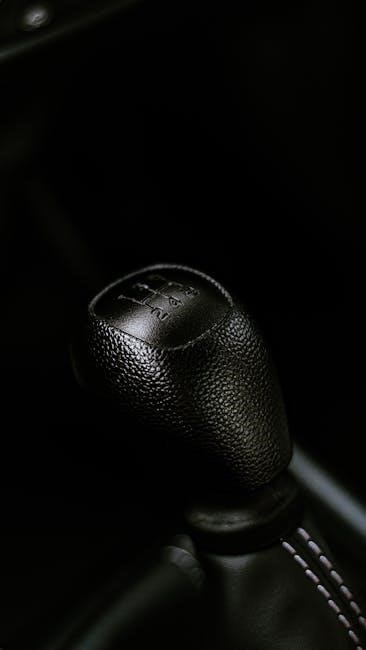
A short throw shifter significantly alters the driving experience of a manual 4Runner, reducing the distance the shift lever travels between gears. This results in quicker, more precise shifts, enhancing driver engagement and control. Stock shifters often have a longer throw, which can feel vague and less responsive, particularly during spirited driving or off-road maneuvers.
Short throw shifters achieve this reduction through modified internal linkages or replacement of the entire shifter assembly. Installation typically requires removing the center console and accessing the transmission’s shift mechanism. Available options range from adjustable shifters, allowing customization of the throw length, to fixed-length designs. While improving shift speed, some short throw shifters may slightly increase shift effort. Choosing a reputable brand and ensuring proper installation are vital for a smooth and reliable operation, avoiding any potential binding or difficulty selecting gears.
Transmission Fluid Alternatives
While Toyota specifies a particular transmission fluid for 4Runner manual transmissions, enthusiasts often explore alternatives seeking improved performance or durability. Synthetic fluids, like Red Line MT-90 or Amsoil Synthetic Manual Transmission Fluid, are popular choices due to their superior shear stability and temperature resistance compared to conventional fluids.
These synthetics can potentially offer smoother shifting, especially in colder climates, and provide enhanced protection for the gearbox’s internal components. However, it’s crucial to research compatibility; some fluids may react negatively with certain synchronizer materials. Always verify the fluid’s suitability for your specific 4Runner’s transmission model year. A complete flush and fill is recommended when switching fluids, and monitoring for any adverse effects, such as increased shift resistance, is essential post-change. Careful consideration and research are key before deviating from Toyota’s recommendations.

Resources and Community
A thriving online community and dedicated parts suppliers exist for 4Runner manual transmission owners, offering invaluable support and specialized components.
Online Forums and Communities
Dedicated online forums are a cornerstone for 4Runner manual transmission enthusiasts. These platforms provide a space to connect with fellow owners, share experiences, and troubleshoot issues. Websites like Toyota4Runner.org have extensive sections dedicated to older generations, often including detailed discussions about manual transmissions, modifications, and repairs.
Facebook groups, such as those focused on specific 4Runner generations or manual swap projects, offer real-time interaction and quick access to advice. Reddit’s r/4Runner subreddit also features frequent posts related to manual transmissions, though it’s a broader community. These digital hubs are invaluable for finding rare parts, locating qualified mechanics specializing in manual 4Runners, and accessing DIY guides. Don’t hesitate to search past threads – chances are, someone has already encountered and solved your problem! Active participation fosters a collaborative environment, benefiting all members seeking knowledge and support regarding their unique 4Runner builds.
Parts Suppliers for Manual 4Runners
Sourcing parts for a 4Runner manual transmission can be challenging, especially for older models. Toyota dealerships remain a viable option for some new-old-stock (NOS) components, though availability is limited. Specialized Toyota parts retailers like RockAuto often carry clutch kits, transmission mounts, and other wearable items. However, finding specific internal transmission parts can require more digging.
eBay and online marketplaces are excellent resources for used parts, but careful inspection of seller ratings and part condition is crucial. Companies specializing in Japanese automotive parts, such as Japan-Parts.com, can source hard-to-find components. For performance upgrades, consider clutch manufacturers like Exedy or ACT. Local transmission shops may also be able to source parts or rebuild your existing transmission. Remember to verify compatibility with your specific 4Runner generation and transmission code before purchasing!
Finding a Qualified Mechanic
Locating a mechanic experienced with Toyota 4Runner manual transmissions is paramount for proper diagnosis and repair. Many modern shops primarily focus on automatic transmissions, so specialized knowledge is key. Start by asking local off-road clubs or 4Runner enthusiast groups for recommendations – they often have firsthand experience.
Search online for shops specializing in Japanese vehicles or manual transmissions specifically. Check online reviews and look for mechanics who demonstrate a clear understanding of the 4Runner’s drivetrain. Don’t hesitate to call and ask about their experience with manual transmission repairs, clutch replacements, and synchronizer issues. A good mechanic will be able to accurately diagnose problems and offer transparent pricing. Prioritize shops that are willing to explain the repair process and answer your questions thoroughly.
Be First to Comment