Maligne Lake: A Comprehensive Guide
Maligne Lake, nestled within Jasper National Park, Alberta, Canada, captivates visitors with its stunning azure waters and majestic surrounding peaks, offering unparalleled beauty.
Maligne Lake, a glacial lake residing in the heart of Jasper National Park, Alberta, Canada, stands as a testament to the raw, untamed beauty of the Canadian Rockies. Renowned for its strikingly vibrant, azure-colored waters, the lake draws visitors from across the globe seeking a serene escape amidst breathtaking scenery. Stretching an impressive 22.5 kilometers (14 miles) in length, Maligne Lake is the largest natural lake within the Canadian Rockies, a truly remarkable geographical feature.
The lake’s allure is further enhanced by the dramatic backdrop of surrounding snow-capped mountains and the visible presence of three majestic glaciers. This combination creates a picturesque panorama that embodies the spirit of the Canadian wilderness. Maligne Lake isn’t merely a visual spectacle; it’s a destination steeped in history and ecological significance, offering a diverse range of activities and experiences for nature enthusiasts and adventurers alike.
Historical Significance & Indigenous Names
Maligne Lake carries a rich history, predating European exploration by centuries. The area was originally known as Chaba Imne, meaning “Beaver Lake,” by the Indigenous peoples who traditionally inhabited the lands of Jasper National Park. This name reflects the vital role beavers played in the ecosystem and the Indigenous way of life. The current name, “Maligne,” however, has a more complex origin, stemming from early French-Canadian explorers who considered the lake’s unpredictable currents and surrounding terrain “maligne” – meaning malicious or troublesome.
Despite its challenging nature, the lake held significance for Indigenous communities for hunting, trapping, and spiritual practices. European exploration and subsequent settlement gradually altered the landscape and its naming conventions. Understanding the lake’s Indigenous name and history is crucial for acknowledging the deep connection between the land and its original inhabitants, fostering respect for their cultural heritage.
Geographical Location & Accessibility
Maligne Lake is strategically located within Jasper National Park, in the Canadian Rockies of Alberta, Canada. It lies approximately 48 kilometers (30 miles) southwest of the town of Jasper, making it readily accessible to visitors. The primary route to the lake is via the scenic Maligne Lake Road, a well-maintained paved highway offering breathtaking views. This drive typically takes around 45 minutes from Jasper townsite.
Accessibility is generally good throughout the warmer months (late spring to early fall). During winter, road conditions can be challenging due to snow and ice, requiring winter tires and cautious driving. While public transportation options are limited, guided tours and shuttle services are available from Jasper. Parking facilities are available at the lake, but can fill up quickly during peak season, so arriving early is recommended.
Physical Characteristics of the Lake
Maligne Lake is a remarkably long and narrow glacial lake, stretching approximately 22.5 kilometers (14 miles) in length. Its maximum width reaches about 2.8 kilometers (1.7 miles), and it boasts a significant depth, contributing to its striking azure coloration. The lake’s unique hue is a result of rock flour – finely ground glacial sediment – suspended in the water, refracting sunlight.
Being glacially fed, Maligne Lake remains exceptionally cold, even during summer months, with temperatures potentially dropping below freezing at night. Three prominent glaciers – Coronet, Tonquin, and Brazeau – are visible from the lake, actively contributing to its water source. The surrounding landscape is dominated by rugged mountains and dense coniferous forests, creating a dramatic and picturesque setting.
Lake Dimensions & Length
Maligne Lake distinguishes itself as the largest natural lake within the Canadian Rockies, a truly impressive feature of Jasper National Park. Its defining characteristic is its considerable length, extending for roughly 22 kilometers (approximately 13 miles). This elongated shape contributes to the lake’s serene and expansive feel, offering breathtaking views along its entire stretch.
The lake’s width varies, reaching a maximum of around 2.8 kilometers (1.7 miles). This combination of length and relatively narrow width creates a unique perspective, where mountain vistas dominate the horizon. The substantial size of Maligne Lake makes it ideal for various recreational activities and contributes significantly to the region’s ecological diversity.
Water Temperature & Glacial Feed
Maligne Lake maintains remarkably cold temperatures, recognized as the coldest lake within the Canadian Rockies. This frigid characteristic stems directly from its primary source: glacial meltwater. Fed by surrounding glaciers, notably Coronet Glacier, the lake receives a constant influx of icy water, keeping overall temperatures consistently low throughout the year.
Even during summer months, the water temperature can plummet below freezing overnight. This glacial feed isn’t just about temperature; it also contributes to the lake’s distinctive turquoise hue, a result of glacial flour – finely ground rock particles suspended in the water. The purity and glacial origin of the water are fundamental to Maligne Lake’s unique ecosystem.
Surrounding Mountain Ranges & Glaciers
Maligne Lake is dramatically framed by imposing mountain ranges, creating a breathtaking panorama. These rugged peaks, often snow-and-ice-capped, contribute significantly to the lake’s visual appeal and the overall alpine environment. The surrounding mountains aren’t merely a scenic backdrop; they actively shape the lake’s ecosystem and contribute to its glacial feed.
Visible from the lake itself are three prominent glaciers, including Coronet Glacier, a key source of the lake’s frigid waters. These glaciers are remnants of the last ice age and continue to sculpt the landscape. The interplay between the mountains, glaciers, and Maligne Lake creates a dynamic and stunning natural setting, attracting visitors and researchers alike.
Activities & Things to Do at Maligne Lake
Maligne Lake offers a diverse range of activities for outdoor enthusiasts. Perhaps the most iconic experience is taking a boat tour to Spirit Island, a world-renowned photographic location nestled within the lake’s serene waters. For those seeking a more independent exploration, canoeing and kayaking opportunities abound, allowing visitors to paddle along the shoreline and immerse themselves in the stunning scenery.
Numerous hiking trails surround Maligne Lake, catering to various skill levels, providing opportunities to explore the surrounding forests and mountains. Wildlife viewing is also a popular pastime, with chances to spot various animal species in their natural habitat. The lake’s pristine environment and breathtaking views make it a haven for nature lovers and adventure seekers.
Boat Tours to Spirit Island
Spirit Island, a tiny islet in Maligne Lake, is arguably the most photographed location in the Canadian Rockies, and boat tours are the primary way to reach it. These tours, operated by Maligne Lake Cruise, offer a comfortable and informative journey across the lake’s azure waters. Knowledgeable guides share insights into the lake’s history, geology, and surrounding wildlife during the cruise.
The boat tours provide unparalleled photographic opportunities, allowing visitors to capture the iconic image of Spirit Island framed by the majestic mountains and glaciers. The experience is truly breathtaking, offering a unique perspective of this natural wonder. Booking in advance is highly recommended, especially during peak season, to secure a spot on these popular excursions.
Canoeing & Kayaking Opportunities
Maligne Lake presents exceptional opportunities for canoeing and kayaking, allowing visitors to explore its pristine waters at their own pace. Several rental options are available near the lake, providing both single and double kayaks, as well as canoes, suitable for various skill levels. Paddling along the shoreline offers stunning views of the surrounding mountains, glaciers, and forests.
Experienced kayakers and canoers can venture further out onto the lake, discovering hidden coves and enjoying the tranquility of this remote wilderness. However, it’s crucial to be aware of the potentially challenging weather conditions and glacial water temperatures. Always check the forecast and dress appropriately, and inform someone of your planned route before setting out on the water.
Hiking Trails Around Maligne Lake
Maligne Lake boasts a network of captivating hiking trails catering to diverse fitness levels and preferences. The Mary Schäffer Loop, a relatively easy 3.2km trail, circles the base of Mount Mary Schäffer, offering breathtaking panoramic views of the lake and surrounding peaks. For a more challenging experience, the Bald Hills Trail provides a strenuous climb with rewarding vistas, stretching across the entire Maligne Valley.
Shorter, accessible trails like the Moose Loop offer opportunities for leisurely strolls and wildlife viewing. Remember to wear appropriate hiking footwear, carry bear spray, and be mindful of potential encounters with local fauna. Always check trail conditions before embarking on your hike and be prepared for changing weather patterns in the mountains.
Wildlife Viewing Opportunities
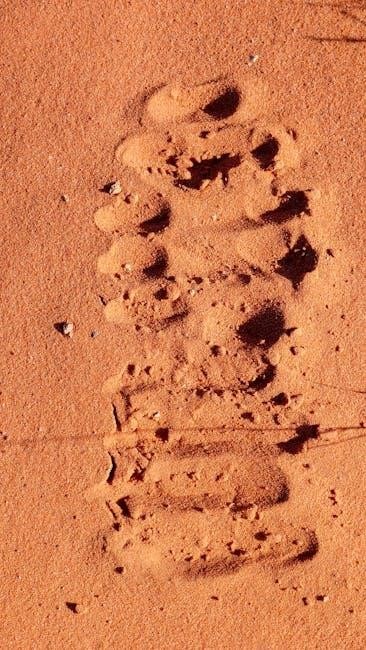
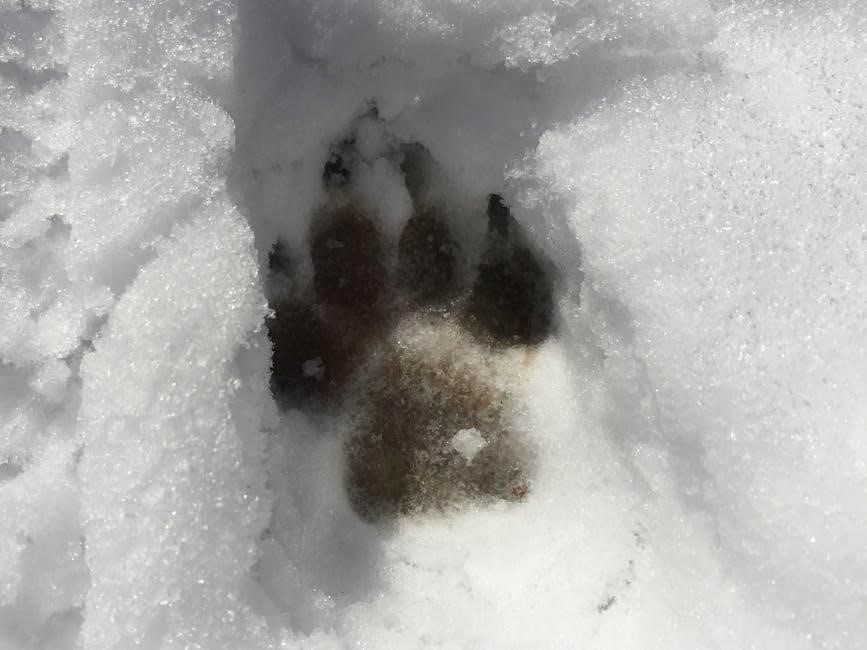
Maligne Lake and its surrounding wilderness teem with diverse wildlife, presenting incredible viewing opportunities for nature enthusiasts. Keep an eye out for majestic elk grazing in meadows, and nimble bighorn sheep scaling the rocky slopes. Black bears and grizzly bears inhabit the area, so maintaining a safe distance and carrying bear spray is crucial.
Birdwatchers will delight in spotting various species, including loons, eagles, and ospreys soaring above the lake. Smaller mammals like marmots and pikas can be observed amongst the rocks. Remember to observe wildlife from a respectful distance, never feed animals, and store food securely to avoid attracting unwanted attention. Patience and a keen eye are key to maximizing your wildlife viewing experience.
Maligne Lake Road & Transportation
Accessing Maligne Lake primarily involves travelling along the scenic Maligne Lake Road, a 48-kilometer (30-mile) route originating near the town of Jasper. This drive itself is a highlight, offering breathtaking views of the surrounding mountains and forests. Personal vehicles are the most common mode of transport, however, during peak season, parking at the lake can become limited, necessitating early arrival.
Several tour operators provide transportation options, including shuttle buses and guided tours, eliminating parking concerns and offering insightful commentary. Cycling the Maligne Lake Road is possible for experienced cyclists, but be prepared for hills and potential wildlife encounters. There is no public transportation directly to Maligne Lake; therefore, planning your transportation in advance is essential for a smooth visit.
Best Time to Visit Maligne Lake
The optimal time to experience Maligne Lake is during the summer months (June-August), offering the warmest temperatures and full access to all activities, including boat tours and hiking trails. However, this is also the busiest period, so expect larger crowds. September provides pleasant weather with fewer visitors, showcasing beautiful fall foliage.
Winter (November-April) transforms the lake into a frozen wonderland, ideal for snowshoeing and cross-country skiing, though access to Spirit Island is limited. Spring (May) is a transitional season with unpredictable weather and potential trail closures. Regardless of the season, Maligne Lake’s temperature remains cool, even in summer, due to glacial feed, so packing layers is crucial. Checking weather forecasts before your visit is highly recommended.
Seasonal Considerations (Summer, Fall, Winter)
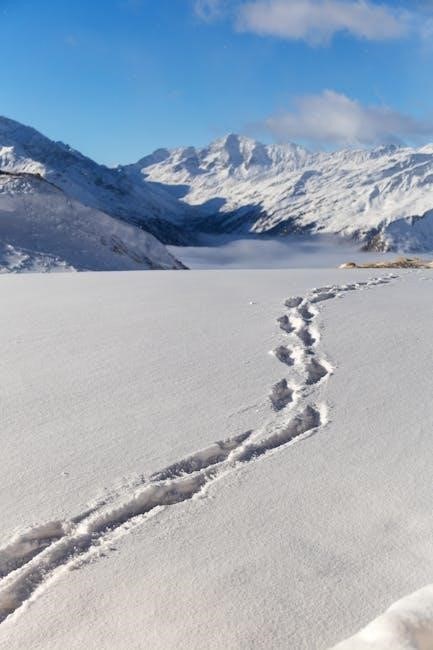
Summer (June-August) brings warm days perfect for boating, kayaking, and hiking, but also peak season crowds. Fall (September-October) offers stunning autumn colors, cooler temperatures, and fewer tourists, creating a serene experience. Be prepared for potential early snowfall. Winter (November-April) transforms Maligne Lake into a frozen landscape, ideal for snowshoeing and ice activities, though many services are limited.
During summer nights, temperatures can drop significantly, even near zero. Fall brings crisp air and vibrant foliage, but conditions can change rapidly. Winter demands extreme cold-weather gear and awareness of avalanche risks. Each season presents unique opportunities and challenges, influencing accessibility and available activities. Planning accordingly ensures a memorable visit, regardless of the time of year.
Weather Patterns & Conditions
Maligne Lake’s weather is notoriously unpredictable, even during summer. Expect cool temperatures year-round, with significant daily fluctuations. Summer daytime highs average 15-20°C (59-68°F), but nighttime temperatures can plummet near freezing. Fall brings crisp, cool days and increasing chances of snowfall. Winter is long and cold, with average temperatures well below freezing.
Precipitation is common throughout the year, with snow dominating in winter. Sudden storms can roll in quickly, bringing rain, snow, or wind. The lake’s glacial feed contributes to consistently colder water temperatures. Visitors should be prepared for all types of weather, layering clothing and checking the forecast frequently. Conditions can vary dramatically depending on elevation and exposure.
Accommodation Options Near Maligne Lake
Accommodation directly at Maligne Lake is limited, primarily consisting of the Maligne Lake Lodge, offering cozy cabins and rooms with stunning lake views. Reservations are essential, particularly during peak season. For a wider range of options, the town of Jasper, approximately a 48km (30-mile) drive away, provides numerous hotels, motels, and bed-and-breakfasts.
Jasper’s lodging caters to various budgets and preferences, from luxury hotels to more affordable choices. Camping is also available in Jasper National Park, with several campgrounds accessible by car. Consider booking well in advance, especially for summer travel. Some visitors opt for cabin rentals outside of Jasper for a more secluded experience. Shuttle services connect Jasper to Maligne Lake, offering a convenient alternative to driving.
What to Pack for a Trip to Maligne Lake
Packing for Maligne Lake requires preparation for variable mountain weather, even in summer. Layers are crucial – include moisture-wicking base layers, fleece or insulated mid-layers, and a waterproof, windproof outer shell. Sturdy hiking boots are essential for exploring trails around the lake. Don’t forget warm socks, a hat, and gloves, as temperatures can drop unexpectedly.
Sun protection is vital, including sunscreen, sunglasses, and a hat, even on cloudy days. Bring insect repellent to ward off mosquitoes and other biting insects. A camera is a must to capture the breathtaking scenery. Consider packing binoculars for wildlife viewing. A reusable water bottle and snacks are also recommended, especially for longer hikes. Be prepared for cooler temperatures, potentially below zero, even during summer nights.
Photography Tips for Maligne Lake
Maligne Lake offers incredible photographic opportunities. Capture Spirit Island at sunrise or sunset for the most dramatic light, utilizing a wide-angle lens to showcase its stunning surroundings. A polarizing filter will reduce glare on the water and enhance colors. Experiment with different compositions, including reflections and leading lines.
For wildlife photography, a telephoto lens is essential. Be patient and respectful of the animals. Utilize the golden hours – shortly after sunrise and before sunset – for soft, warm light. Consider using a tripod for sharp images, especially in low light. Capture the scale of the landscape by including foreground elements. Don’t forget to photograph the surrounding mountains and glaciers, showcasing the lake’s majestic beauty.
Safety Considerations at Maligne Lake
Maligne Lake’s remote location demands preparedness. Be aware of wildlife, including bears and elk; carry bear spray and know how to use it. Stay on marked trails to avoid getting lost and protect fragile ecosystems. The lake’s water is extremely cold, even in summer, posing a risk of hypothermia – avoid swimming unless properly equipped.
Weather conditions can change rapidly; pack layers and be prepared for rain or snow, even in July. Inform someone of your hiking plans and estimated return time. Cell service is limited, so don’t rely on it for emergencies. Be mindful of altitude sickness, especially if coming from lower elevations. Respect park regulations and leave no trace behind, ensuring the preservation of this pristine environment for future visitors.
Maligne Canyon & its Connection to the Lake
Maligne Canyon, one of the deepest canyons in the Canadian Rockies, is intrinsically linked to Maligne Lake. The lake is fed by the Maligne River, which originates from the canyon’s depths. Over millennia, glacial meltwater carved through the limestone bedrock, creating the dramatic canyon walls and eventually flowing into the expansive lake.
The canyon acts as a crucial drainage system, influencing the lake’s water levels and clarity. Exploring the canyon provides insight into the geological forces that shaped Maligne Lake. Six bridges span the canyon, offering spectacular viewpoints of the cascading water and unique rock formations. The connection highlights the interconnectedness of the park’s natural features, showcasing a remarkable landscape sculpted by time and water.
The Role of Glaciers in Shaping Maligne Lake
Glaciers played a pivotal role in the formation of Maligne Lake, relentlessly sculpting the landscape over countless millennia. During past ice ages, massive glaciers advanced and retreated, carving out the U-shaped valley that now holds the lake’s waters. The erosive power of the ice deepened and widened the valley, creating the lake’s impressive length – approximately 22 kilometers (14 miles).
Today, three visible glaciers – Coronet, Tonquin, and Brazeau – continue to contribute to the lake’s glacial feed, influencing its strikingly turquoise hue. Meltwater from these glaciers carries “glacial flour,” finely ground rock particles, which refract sunlight, creating the lake’s signature color. The ongoing glacial activity demonstrates the dynamic nature of this alpine environment and its enduring geological legacy.
Flora and Fauna of the Maligne Lake Ecosystem
Maligne Lake’s ecosystem thrives with a diverse array of plant and animal life, adapted to the rugged mountain environment. Surrounding forests are dominated by coniferous trees like Engelmann spruce, subalpine fir, and lodgepole pine, providing habitat for numerous species. Wildflowers bloom in meadows during the summer months, adding vibrant color to the landscape.
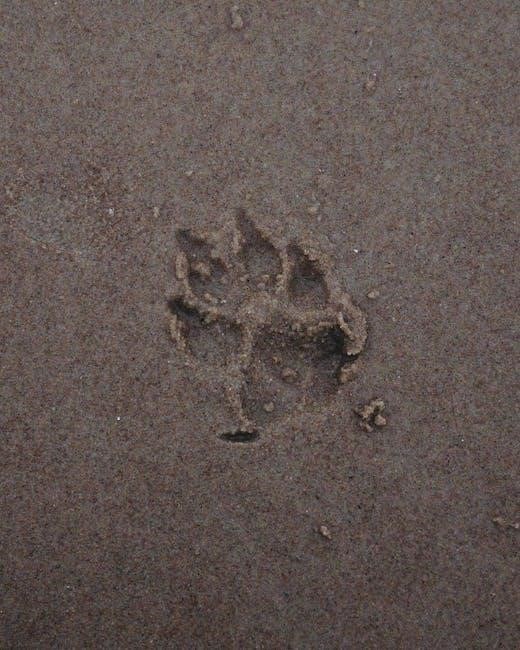
Wildlife viewing opportunities abound, with potential sightings of moose, elk, deer, caribou, and black bears. The lake itself supports various fish species, attracting loons, osprey, and other waterfowl. Smaller mammals, such as marmots and pikas, inhabit the rocky slopes. This rich biodiversity makes Maligne Lake a haven for nature enthusiasts and a testament to the health of Jasper National Park’s wilderness.
Conservation Efforts & Park Regulations
Jasper National Park actively implements conservation strategies to protect Maligne Lake’s delicate ecosystem. These efforts include monitoring water quality, managing wildlife populations, and controlling invasive species. Strict park regulations are in place to minimize human impact, ensuring the long-term health of the area. Visitors are expected to adhere to guidelines regarding waste disposal, campfire restrictions, and wildlife interactions.
Responsible tourism is encouraged, emphasizing Leave No Trace principles. Ongoing research helps park authorities understand and address emerging threats, such as climate change and habitat loss. By prioritizing conservation, Jasper National Park aims to preserve Maligne Lake’s natural beauty for future generations, balancing recreation with ecological integrity.
Nearby Attractions & Day Trips
Beyond Maligne Lake, Jasper National Park offers a wealth of attractions for day trips. Maligne Canyon, a dramatic gorge carved by glacial meltwater, is a short drive away, providing stunning views and hiking opportunities. The town of Jasper itself boasts charming shops, restaurants, and the Jasper SkyTram, offering panoramic vistas.
Athabasca Falls and Sunwapta Falls showcase the power of the North Saskatchewan River, while Miette Hot Springs provide a relaxing soak amidst mountain scenery. Wildlife enthusiasts can explore the Valley of the Five Lakes or embark on a scenic drive along the Icefields Parkway. These diverse options ensure a fulfilling experience for visitors extending their exploration beyond Maligne Lake’s immediate surroundings.
Maligne Lake in Popular Culture & Media
Maligne Lake’s iconic beauty has frequently graced the screens and pages of various media outlets. Its most recognizable feature, Spirit Island, is a frequently photographed location, appearing in countless travel brochures, calendars, and promotional materials for both Jasper National Park and Canada as a whole. The lake’s dramatic landscapes have also been featured in several documentaries focusing on the Canadian Rockies and their glacial formations.
Furthermore, Maligne Lake has served as a backdrop for numerous films and television productions, though often used for establishing shots due to logistical challenges. Its pristine waters and surrounding mountains contribute to a sense of wilderness and grandeur, making it a sought-after location for visual storytelling. The lake continues to inspire artists and photographers, solidifying its place in popular culture.
Future of Maligne Lake & Climate Change Impacts
Maligne Lake, being a glacially-fed lake, faces significant threats from ongoing climate change. The receding of the surrounding glaciers – Coronet, Brazeau, and Tonquin – directly impacts the lake’s water levels and temperature, potentially altering its unique azure colour over time. Reduced glacial meltwater could also affect the lake’s ecosystem, impacting the flora and fauna adapted to its cold, nutrient-rich environment.
Scientists are closely monitoring these changes, predicting potential shifts in water temperature and increased susceptibility to algal blooms. Conservation efforts are crucial to mitigate these impacts, focusing on reducing carbon emissions and protecting the surrounding watershed. The long-term health of Maligne Lake depends on global action to address climate change and preserve this natural wonder for future generations.
Resources for Planning Your Visit
Planning a trip to Maligne Lake requires utilizing several key resources. The official Parks Canada website (www.pc.gc.ca/jasper) provides comprehensive information on park passes, reservations for boat tours to Spirit Island, and current trail conditions. Jasper Tourism (www.jasper.travel) offers details on accommodation options, transportation, and local events.
For detailed maps and hiking trail information, consult the Gem Trek hiking maps specifically for Jasper National Park. Numerous travel blogs and websites, such as those dedicated to Canadian Rockies travel, provide firsthand accounts and practical tips. Remember to check weather forecasts before your visit and be prepared for changing conditions. Booking accommodations and tours in advance, especially during peak season, is highly recommended.
Maligne Lake FAQs
Is Maligne Lake accessible year-round? Yes, but access is limited in winter. The road remains open to some extent, but conditions can be challenging. What is the best time to visit? Summer (June-August) offers the warmest weather and full access to activities, but is busiest. September provides beautiful fall colors with fewer crowds.
Are reservations needed for the boat tour? Highly recommended, especially during peak season. Book online through Parks Canada. Can I swim in Maligne Lake? While possible, the water is very cold, even in summer, due to glacial feed. Is there cell service? Limited cell service is available in some areas, but unreliable. Download offline maps beforehand. What wildlife might I see? Bears, elk, deer, and various bird species are common.
Be First to Comment