Understanding Negative STD Test Results
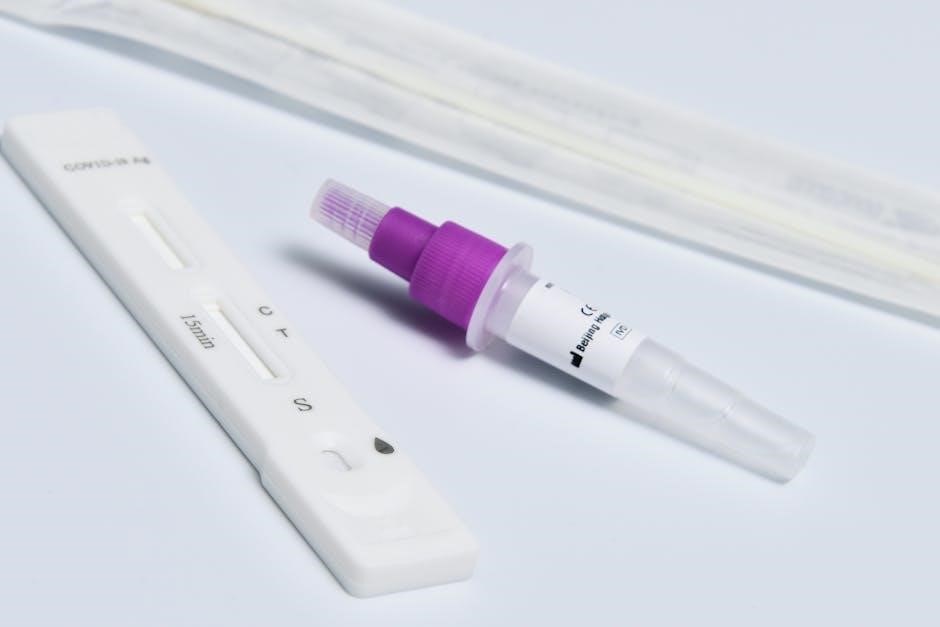
Understanding negative STD test results means no infection was detected․ ‘Not detected’ or ‘non-reactive’ confirms STD was absent․ Reference ranges indicate values below positive thresholds, signifying general absence of infection․
Meaning of Not Detected
The term “Not Detected” on an STD test result unequivocally indicates that the specific sexually transmitted infection screened for was not found within your biological sample․ This signifies a positive and reassuring outcome․ It means the laboratory analysis did not identify any viral, bacterial, or other pathogenic markers associated with the infection․ For example, a “Not Detected” result for Chlamydia confirms the complete absence of Chlamydia bacteria in your system at the time of testing․ This finding offers considerable peace of mind, affirming a negative status for that particular STD․ “Not Detected” is often used synonymously with “Non-Reactive” in various laboratory reports, both conveying the identical clear message of absence․ The test successfully established no evidence of the pathogen, strongly suggesting you are not currently infected․ This is precisely the desired result, providing a clean bill of health concerning the specific infection tested․ However, understanding the “window period” for each STD is vital; a very recent exposure might not yet be detectable․ Always consult a healthcare professional for personalized interpretation and comprehensive guidance on your sexual health status, even with “Not Detected” results, to ensure complete understanding․
Meaning of Non-Reactive
The term “Non-Reactive” on an STD test result confirms that the specific infection screened for was not detected in your system․ This outcome is precisely what indicates a negative test, signifying the absence of antibodies or antigens the body would produce in response to a sexually transmitted pathogen․ For example, as highlighted by Arnel Taburdan’s rapid HIV antibody test on January 18, 2022, a “non-reactive” result means that no HIV antibodies were identified, strongly suggesting a negative status for HIV․ This phrase is commonly used interchangeably with “Not Detected” across various laboratory reports, both conveying the same clear message: the STD was not found․ When your results are “non-reactive,” it provides significant reassurance that you are free from the particular infection tested at the time of the sample collection․ It’s a key indicator that your immune system has not reacted to the presence of the virus or bacteria․ Always consider the test’s window period and discuss your “non-reactive” results with a healthcare professional for comprehensive understanding and any necessary follow-up, ensuring your complete sexual health․
Reference Ranges for Negative Results
Understanding the reference ranges is crucial for interpreting negative STD test results accurately; These ranges are established thresholds used by laboratories to determine whether the detected level of a specific marker – be it an antibody, antigen, or genetic material – is significant enough to indicate an active infection․ When a test result falls below the specified upper limit of the reference range, it is consistently considered negative or “not detected․” For instance, as seen in Herpes Simplex-2 testing, a result with a range of less than 0․90 typically signifies a negative outcome․ This clearly means that any value below this 0․90 threshold is deemed insufficient to confirm the presence of the virus․ The reference range essentially acts as a scientific benchmark; if the STD value is not high enough to cross this benchmark, the test definitively returns a negative finding․ This provides clear guidance on whether an STD was present in your system at the time of testing․ Labs meticulously establish these ranges based on extensive scientific data and population studies, ensuring reliability․ It confirms that the levels found, if any, are within the normal or non-infectious parameters, assuring individuals of their status․ Therefore, a result within the negative reference range provides strong evidence of no active infection, offering peace of mind regarding that specific STD․
General Indication of No Infection Detected
A general indication of no infection detected from STD test results brings significant reassurance, confirming the absence of various sexually transmitted pathogens in one’s system․ When your report states “not detected” or “non-reactive,” it universally signifies that the specific STD targeted by the test was not found․ This outcome means that the laboratory analysis did not identify any markers, such as antibodies, antigens, or genetic material, that would indicate an active or past infection for the tested condition․ For instance, a negative test for chlamydia unequivocally indicates that no chlamydia bacteria were present in the sample analyzed․ Similarly, a non-reactive rapid HIV antibody test, as received by Arnel Taburdan on January 18, 2022, means that antibodies to HIV were not detected, suggesting no HIV infection․ This general finding applies across a spectrum of STDs, from bacterial infections like gonorrhea to viral ones like HSV or Hepatitis․ It offers a comprehensive and clear message: the tests conducted did not find evidence of the targeted infections, providing a strong basis for believing you are currently free from those specific STDs․ This allows individuals to manage their health and sexual well-being with informed confidence, knowing that no infection was detected at the time of screening․

Specific STD Negative Results
This section details what a negative result means for various specific STDs․ It covers the interpretation of “not detected” or “non-reactive” for common infections like HIV, HSV, Hepatitis B/C, Chlamydia, Gonorrhea, and Syphilis reflex tests․
HIV Negative Results
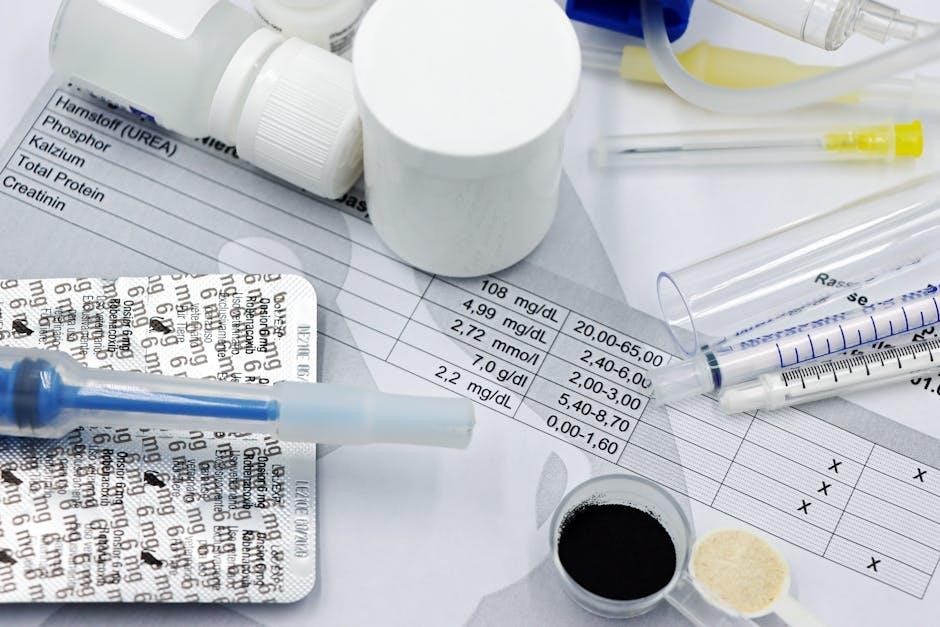
A Human Immunodeficiency Virus (HIV) negative result is a significant finding, typically reported as “not detected” or “non-reactive․” This means that the tests performed did not identify HIV antibodies or antigens in your system at the time of sample collection․ For instance, reports show individuals like Arnel Taburdan received a “non-reactive (negative)” result from a rapid HIV antibody test performed on January 18, 2022․ Another example includes Mr․ Dale, who tested negative for HIV along with other infections such as HSV 1 and 2, Hepatitis B, Hepatitis C, Chlamydia, and Gonorrhea․ A non-reactive result generally provides a strong indication of no current HIV infection․ However, it is crucial to consider the ‘window period,’ the time between potential exposure and when a test can reliably detect the virus or antibodies․ During this early phase, a negative result might not be conclusive, as antibody levels could still be too low to be detected․ Therefore, clinicians might recommend retesting if there was a recent high-risk exposure․ Such negative results are vital for personal health assessments, often part of routine screenings, like pre-operative testing․ They confirm the absence of the virus, differentiating from HIV-positive cases that necessitate ongoing monitoring of viral load and CD4 counts for management․
HSV 1 and 2 Negative Results
A negative result for Herpes Simplex Virus types 1 (HSV-1) and 2 (HSV-2) signifies no antibodies were detected in your system during testing․ Reported as “not detected” or “non-reactive,” this clearly indicates the virus’s absence․ For instance, Mr․ Dale’s results explicitly showed he tested negative for HSV 1 and 2, among other STDs․
Understanding reference ranges is key; a result below a specific threshold, like “< 0․90” in an HSV-2 test, confirms a negative status․ This numerical indication assures viral markers are not present at levels considered indicative of an infection․ A negative HSV test offers significant reassurance, suggesting no past or current herpes infection was found․
However, test timing relative to potential exposure remains critical․ If tested too early, the body might not have produced sufficient antibodies for detection, potentially leading to a false negative․ If recent exposure is a concern, follow-up testing may be recommended․ These results are vital for individual health assessments and guiding preventative health discussions․
Hepatitis B Negative Results
A negative Hepatitis B test result signifies that no evidence of the Hepatitis B virus (HBV) was detected in your system․ This outcome, often reported as “not detected” or “non-reactive,” indicates the absence of key viral markers such as Hepatitis B surface antigen (HBsAg)․
For example, specific test results have shown individuals, like Mr․ Dale, testing negative for Hepatitis B, among other STDs․ This confirms that at the time of testing, there was no active Hepatitis B infection․ Such results are crucial, especially in situations like routine pre-operative screening, where testing for blood-borne viruses, including Hepatitis B, is a standard protocol to ensure patient safety and inform medical decisions․
A negative finding for HBsAg provides significant reassurance, indicating a healthy status concerning this particular virus․ While generally definitive, it is always wise to consider the timing of the test relative to any potential exposure, as very recent exposure might not yet show detectable markers․ Nevertheless, a clear negative result is a strong indicator of no current Hepatitis B infection, contributing to comprehensive health management․
Hepatitis C Negative Results
A negative Hepatitis C (HCV) test result signifies that no antibodies to the Hepatitis C virus were detected; This outcome is often reported as “not detected” or “non-reactive,” clearly indicating the absence of a current or past HCV infection at the time of testing․ For example, comprehensive STD panels, like those for Mr․ Dale, have shown negative results for Hepatitis C, confirming his overall status․
However, it is crucial that a negative HCV antibody test result does not entirely exclude exposure․ Hepatitis C antibody levels may be undetectable during early infection, a period known as the “window period․” If recent exposure is suspected, repeat follow-up testing is recommended for accurate assessment․ While a negative HVC Ab finding is generally reassuring, understanding this nuance is vital for a complete comprehension of the test’s implications and proper health management, ensuring peace of mind for the individual․
Chlamydia Negative Results
A negative Chlamydia test result unequivocally indicates that no presence of Chlamydia trachomatis bacteria was detected in the biological sample submitted for analysis․ This outcome provides a definitive assurance that, at the precise moment of testing, the individual is not harboring this prevalent sexually transmitted bacterial infection․ Clinical laboratories consistently communicate these findings using clear terminology such as “not detected” or “negative,” effectively conveying the absence of the pathogen․ For instance, within a comprehensive STD screening battery, Chlamydia testing is a standard component, and a negative finding, as highlighted in cases like Mr․ Dale’s general screening, explicitly confirms no Chlamydia bacteria were identified․ This specific result is crucial, offering vital insight into an individual’s current sexual health status concerning Chlamydia․ It signifies that the advanced diagnostic assays employed, whether PCR-based or other methods, found no genetic material or antigenic markers indicative of an active Chlamydia infection․ Such clear, negative results are instrumental in providing significant patient peace of mind and empowering individuals to make well-informed decisions regarding their sexual health practices․ The absence of detection is a strong implication of no active infection, contributing to reduced anxiety and fostering confidence in one’s health status regarding this common STI․
Gonorrhea Negative Results

A Gonorrhea negative result signifies that the Neisseria gonorrhoeae bacterium, which causes this sexually transmitted infection, was not detected in the biological sample tested․ This outcome aligns with the general understanding that “not detected” and “non-reactive” mean the STD was not found in your system․ For instance, in comprehensive screenings like those received by Mr․ Dale, a negative finding for Gonorrhea explicitly confirms the absence of this specific bacterial infection․ The diagnostic tests, whether nucleic acid amplification tests (NAATs) or culture, failed to identify any genetic material or growth indicative of Neisseria gonorrhoeae․ This provides crucial information, offering peace of mind and clarity regarding an individual’s current health status․ It implies that, at the time of testing, the person is not carrying the infection and therefore cannot transmit it to others․ Such a result is vital for personal health management, informing safe sexual practices, and alleviating anxiety associated with potential exposure․ It underscores the effectiveness of modern diagnostic methods in accurately identifying the presence or absence of STIs, allowing individuals to proceed with confidence in their sexual health decisions․ The definitive absence of detection is a cornerstone for personal health management and preventing further spread of the infection, confirming a current infection-free status for Gonorrhea․
Syphilis Negative Reflex Test Results
A Syphilis negative reflex test result is a crucial outcome that provides definitive clarity regarding the presence or absence of a syphilis infection․ Typically, syphilis testing involves an initial screening test, such as an RPR or VDRL․ If this screening test is reactive, a more specific treponemal test is performed as a reflex to confirm the diagnosis․ A “negative reflex test result” means that even if an initial screening test showed some reactivity, the subsequent confirmatory treponemal test did not detect specific antibodies against Treponema pallidum, the bacterium causing syphilis․ This often indicates that the initial reactive screening result was a false positive, or that there is no active syphilis infection requiring treatment․ For example, the instruction to “report NEGATIVE confirmatory test result also” highlights its importance for validation․ This comprehensive approach ensures accuracy, preventing unnecessary anxiety and treatment based on non-specific screening findings․ These results contribute to a precise diagnostic picture, reassuring individuals that, at the time of testing, there is no confirmed syphilis infection․

Managing Negative STD Test Results PDFs
Managing negative STD test result PDFs includes using printable, fillable forms․ You can download signed results to your device or share them securely via email․ Online delivery often requires identity verification to ensure confidential access, streamlining the process for individuals and agencies․
Printable PDF Templates
Printable PDF templates for negative STD test results offer a standardized and accessible format for individuals and healthcare providers to document and share crucial health information․ Platforms like pdfFiller and airSlate SignNow provide various forms, such as the “MA HIV Testing Referral and Results Form” or generic “Negative Std Test Results [Year Range] Form,” which are designed to be easily downloaded and printed․ These templates typically include designated fields for essential details like agency name, address, and contact information, ensuring comprehensive record-keeping․ The convenience of a printable PDF means that even if results are initially delivered online, a physical copy can be readily created for personal records, appointments, or situations requiring official documentation․ For instance, an example HIV test result PDF can be printed, detailing a non-reactive outcome for an individual․ Such templates are invaluable for maintaining a clear and verifiable record of one’s health status, particularly when no infection has been detected․ They ensure consistency in reporting across different agencies and individuals, facilitating straightforward communication regarding negative STD statuses․ The “Fill Online, Printable, Fillable, Blank” nature of these documents underscores their adaptability, allowing users to either print blank forms for manual completion or fill them digitally before printing․ This flexibility makes managing negative test results efficient and reliable․
Fillable PDF Forms
Fillable PDF forms provide a highly efficient method for managing negative STD test results digitally․ Platforms like pdfFiller and airSlate SignNow offer various forms, such as the “MA HIV Testing Referral and Results Form” or generic “Negative Std Test Results” templates, which users can complete directly online․ This digital capability allows for precise input of agency details, patient information, and specific outcomes, like “not detected” or “non-reactive,” for various STDs including HIV, HSV 1 and 2, Hepatitis B, Hepatitis C, Chlamydia, and Gonorrhea, as well as Syphilis reflex tests․ The process streamlines documentation, minimizing manual errors and ensuring data accuracy․ Because of their multi-platform nature, as noted by airSlate SignNow, these forms are compatible with any device and operating system, enhancing accessibility for all․ Once all fields are completed, users can often digitally sign the document, creating an official, verifiable record․ This completed form can then be downloaded to a device or shared with other parties involved via a secure link or email, providing a convenient and modern way to circulate confirmed negative statuses without the immediate need for printing, until a physical copy is required․
Downloading Signed PDF Results
Downloading signed PDF results for negative STD tests is a critical final step in securely managing personal health records․ Once a fillable form, confirming a “not detected” or “non-reactive” status for various STDs like HIV, HSV 1 and 2, Hepatitis B, C, Chlamydia, Gonorrhea, or Syphilis reflex tests, has been completed and digitally signed, platforms such as airSlate SignNow facilitate its direct download․ This process provides users with a verified, official copy of their “negative std test results pdf” saved securely to their personal device․ The immediate availability of these documents eliminates delays associated with traditional mail or repeat clinic visits, offering unparalleled convenience․ The multi-platform compatibility, a key advantage noted by airSlate SignNow, ensures that these crucial documents can be downloaded effortlessly across diverse operating systems and devices, from computers to smartphones, enhancing accessibility․ Possessing a downloaded, signed PDF serves as tangible, unalterable proof of your negative status, vital for personal peace of mind, future medical consultations, or for sharing with relevant healthcare providers․ This efficient digital archiving streamlines health information management, providing a reliable and readily accessible record of your test outcomes whenever required․

Sharing PDF Test Results

Once you have obtained your negative STD test results in PDF format, the process of sharing them securely and efficiently becomes straightforward, especially with modern digital platforms․ Tools like airSlate SignNow enable users to share their signed “negative std test results pdf” with other involved parties either through a direct link or via email․ This digital method offers a significant advantage over traditional paper-based sharing, ensuring prompt delivery and reducing the risk of loss or delays․ The multi-platform nature of such services means that recipients, regardless of their device or operating system, can easily access and view the shared PDF․ This universal compatibility enhances accessibility, making it simple for healthcare providers, partners, or other relevant individuals to receive and review your confirmed “not detected” or “non-reactive” status for various STDs, including HIV, HSV 1 and 2, Hepatitis B, Hepatitis C, Chlamydia, Gonorrhea, or Syphilis reflex tests․ Sharing digital PDFs maintains confidentiality while providing necessary information, streamlining communication regarding your health status․ It ensures that critical health data can be disseminated responsibly and conveniently, facilitating informed decisions and ongoing care․

Identity Verification for Online Result Delivery
Identity verification is essential for secure online delivery of negative STD test results in PDF format․ This crucial step safeguards sensitive personal health information, ensuring only authorized individuals access confirmed ‘not detected’ or ‘non-reactive’ outcomes․ Platforms like LabCorp Beacon require users to complete your requested information for online result delivery․ This often includes confirming personal details, answering security questions, or using multi-factor authentication․ The objective is to prevent unauthorized access and maintain strict confidentiality of your health status․ Completing identity verification guarantees your printable or fillable PDF forms, showing negative results for HIV, HSV 1 and 2, Hepatitis B, Hepatitis C, Chlamydia, Gonorrhea, or Syphilis reflex tests, are securely delivered․ This protocol is fundamental for modern digital healthcare, fostering patient trust and preserving electronic medical record integrity․
Be First to Comment